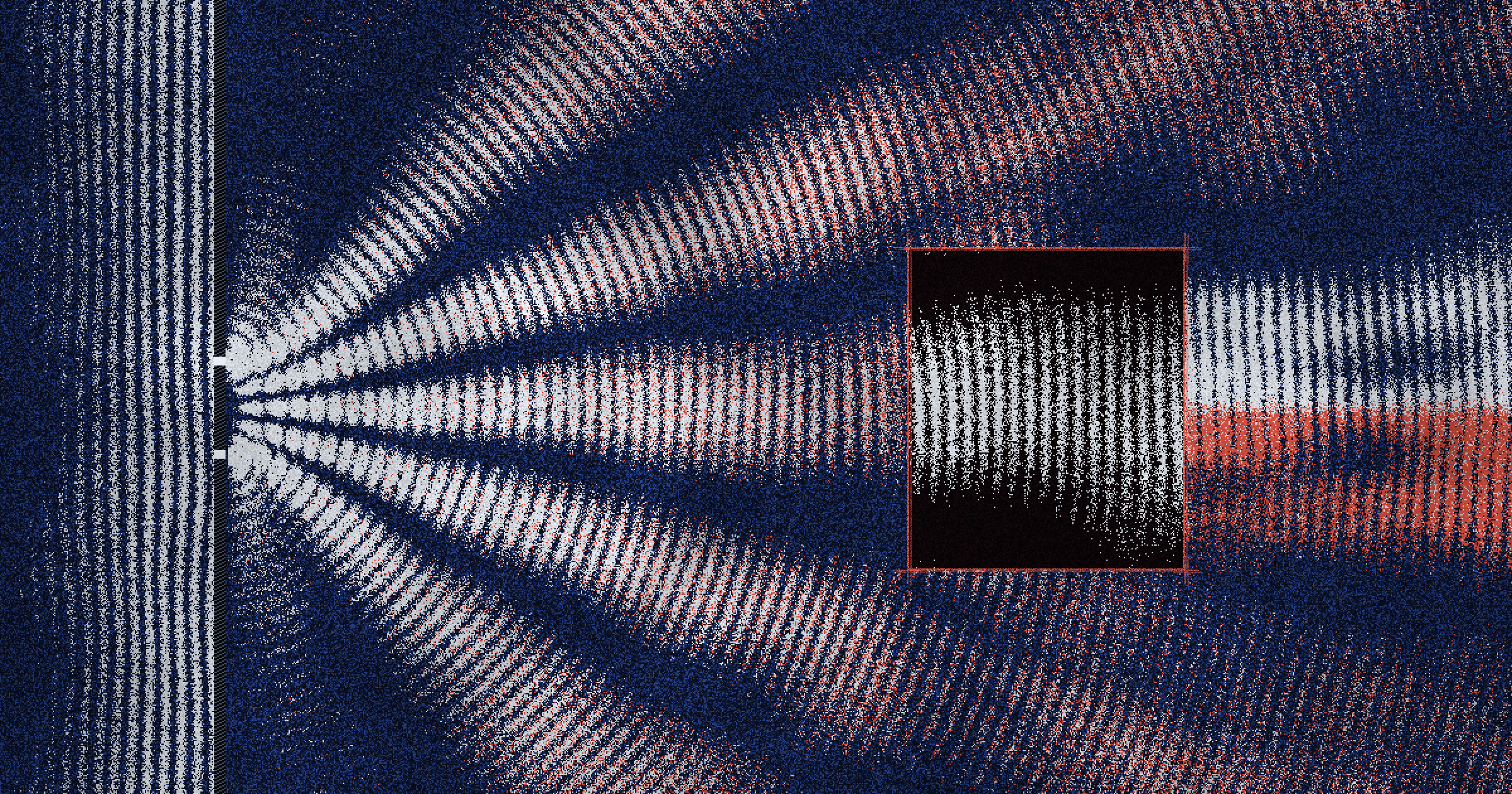
Littré's simulator demonstrates that the signs a good symptom simulator shows in himself are as real as those of a truly ill person. Today we are being forced by LLMs to see that language is not a durable sign of humanity. And with that, the ability to use it well. It seems to be its own thing, yet in our daily acts of distinction, we constantly reduce humans to and through their language.
AI detectors are not so much unreliable as they are trying to be real. It's never said out loud, but the principle of ai-detection is that there is a discoverable human or ai consciousness behind the bag of signifiers. If consciousness makes you uncomfortable, you can substitute essence. If that also trips you, feel free to choose whatever you like. The point is that there is a totality that generates text and this same text is but only a mask waiting to be removed so the true can be seen. Without this principle, the act becomes meaningless. And if we diligently follow this principle, we see that pre-measurement, pre-detection, pre-retroactive-confession, the 2 are superimposed.
The only reality inferential ai-detection tools establish is their very own existence. Each act of inference on any piece of language is a regeneration of artificial intelligence. But do not be mistaken, they don't exist alone. The sociotechnical integral of each attribution request made by a human; of each forward pass made by the model; of each attribution of humanity made by the model through forwardpass-simulation; of each result accredited by a human, culminates in their reality. [1]
The technically precise term for the act of AI detection is human-ai attribution. This term doesn't conceal the fact that when it comes to the act, the human-subject and human-object are one with technology in all stages. Unfortunately, I can't even pass this formulation as a revelation since its been long known that even fundamental forms of being alive such as cognition have a non-marginal tool aspect. And so even if these human-ai detectors could uncover the referents behind any given cold bag of signifiers, through the divine act of forwardpass-simulation (spoiler: they cant), they're bound to find no definite human or ai essence sitting behind the bag of text. Everything beyond text is projected and will have to be projected.
Okay, now let's backtrack to first principles. What warrants attribution? What proceeds from attribution? What role does it play in the dispositif? Seriously, what does a 50% Pangram score signify besides a technological reassignment to a new species? Okay, what about a 60% score? Seemingly, homo-claude is being born in the shadows of emerging sociotechnical relations and we reactively seek the mark of the beast.
To summarize the preceding paragraphs, attribution innocently sets off to be the act of distinction, to find some pure humanity that's lost, but opposed to the impossibility of its operational principle, attribution becomes the act of reunification.
Generally, I think human-ai detection tools are useless, and in their current form, absolutely harmful. They don't work. But my largest gripe lies with the act itself. I find the act suspicious. I think each posture of skepticism towards these so-called detectors due to their unreliability (which is just the impossibility principle showing its head) ought to be accompanied by, or even replaced entirely by, the question of the necessity of attribution.
I do intuit some possible problems, which means there might be some good, pure, arguments for seeing beyond the text. Unfortunately any attempt to reach them quickly collapses into unmediated distinction. This is why I'm quite certain that the way forward (among other things) includes a reevaluation of our reactions, dispositions, values and ethics relative to the newly emerging forms of relations with technology, as opposed to the raw, unmediated reactions. Technology is not opposed to humanity more than humanity is opposed to itself. [2]
Even though we've always been, we're all techbros now.